
Full-arch implants & revision consultation in Asan | Posselt Dental Clinic
Consultations for front-tooth implants, full-arch implants and implant revision
Full-arch implant surgery and revision.
We start by planning the final teeth.
Actual full-arch treatment record · the same patient
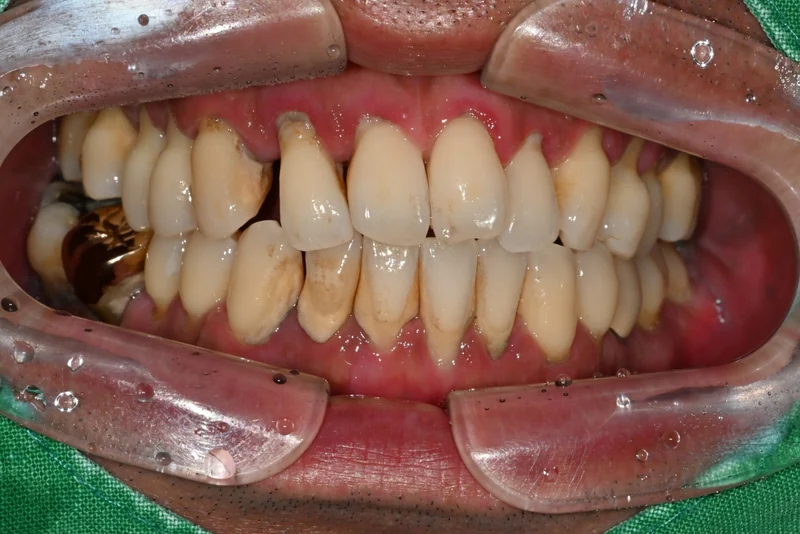
Before treatment · 2025.09.02
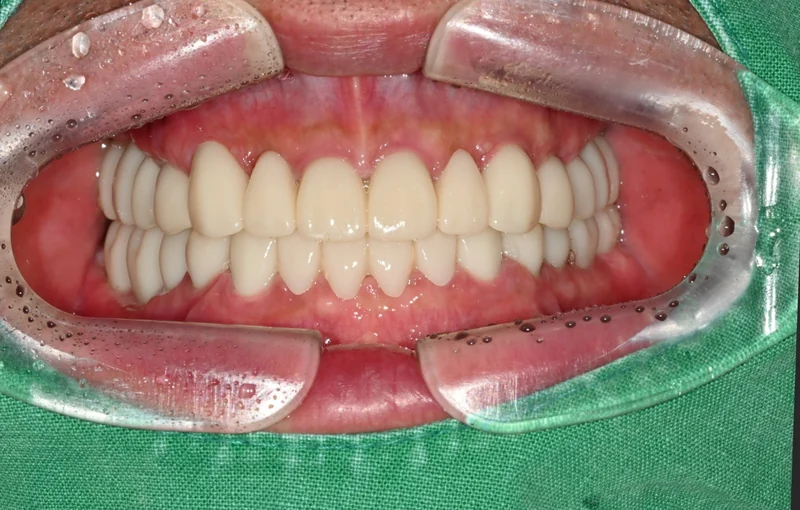
After treatment · Final restoration · 2026.08.11
An actual case involving complete upper and lower treatment. See the before-and-after views and final restorations.
View the full process of this full-arch case →Several teeth are missing. Where do I start?
CT and intraoral scans help us assess your condition and plan through to the final restorations.
No registration needed. Your inquiry stays private, and we reply during clinic hours.
POSSELT · FULL ARCH
Implants and replacement teeth are counted separately.
- Dental implants
- These are artificial tooth roots placed in the jawbone.
- Replacement teeth
- These are the teeth in the restoration attached to the implants. The number of implants does not have to equal the number of teeth being replaced.
Planning the upper and lower arches
| Total implants | Upper implants | Lower implants | Replacement teeth |
|---|---|---|---|
| 18 | 10 | 8 | 28 |
| 14 | 8 | 6 | 24 |
The 14-implant, 24-tooth example does not include the second molars: one at the back of each side of the upper and lower arches.
Three segments in each arch
Each arch is divided into the front teeth, left posterior teeth and right posterior teeth. This means three sections in the upper arch and three in the lower, not three across both arches. The design takes the bite and access for cleaning into account.
These are planning examples. Remaining teeth, bone volume and condition, and the bite can change the number and arrangement. These counts should not be assumed for the individual cases below.
When conditions are suitable, six lower implants can support 12 teeth.
This is Dr. Lee’s minimum lower-arch planning example. His minimum upper-arch planning option uses seven implants. These are not universal minimums for every patient.
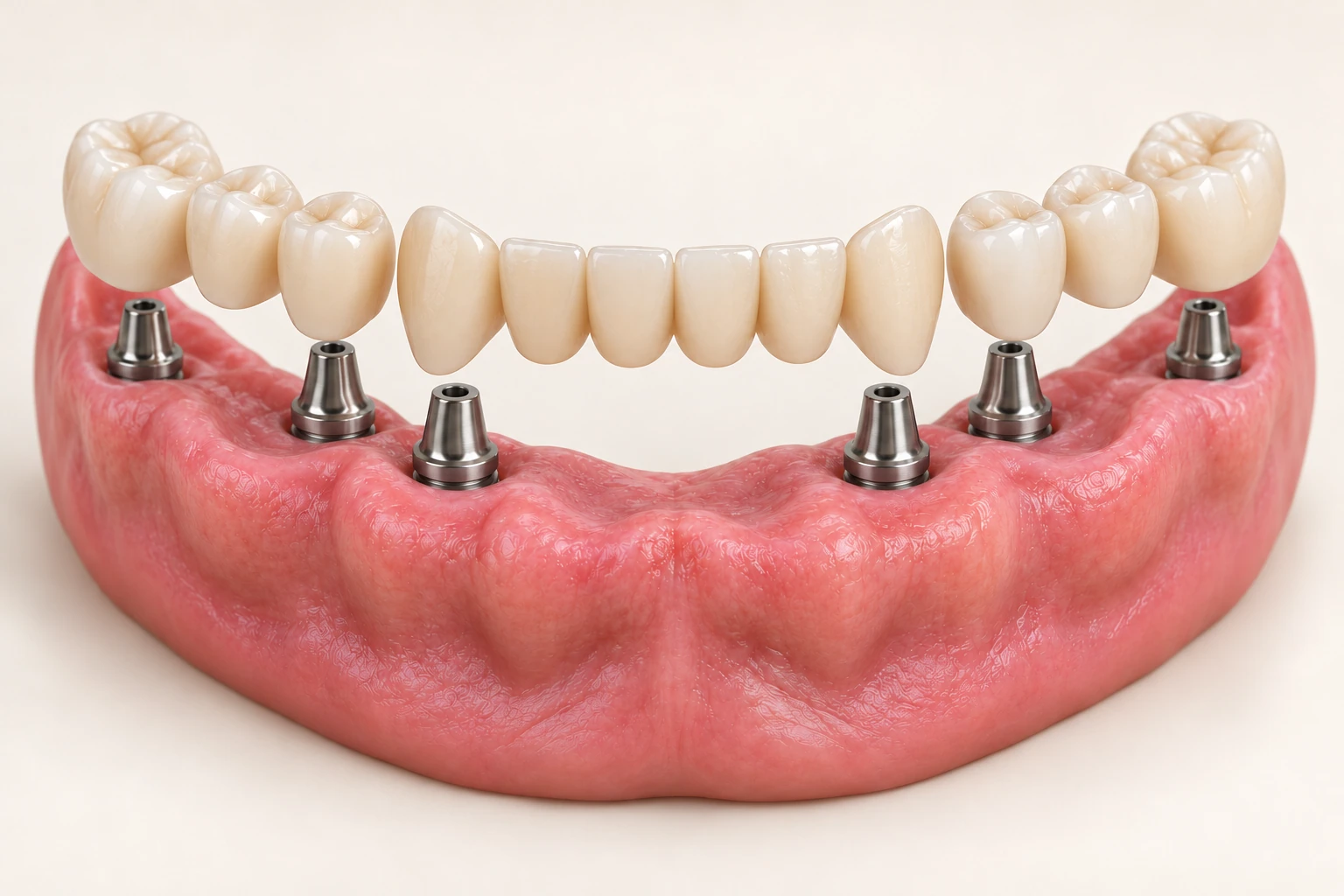
Retreatment starts by assessing what we can preserve.
After an examination, we identify whether the problem involves the crown or screw, or the implant and surrounding bone, assess what can be kept or repaired, and consider removal and replacement only when needed.
OBSERVE · ADJUST · RECOVER
Conscious sedation: monitoring and adjustment.
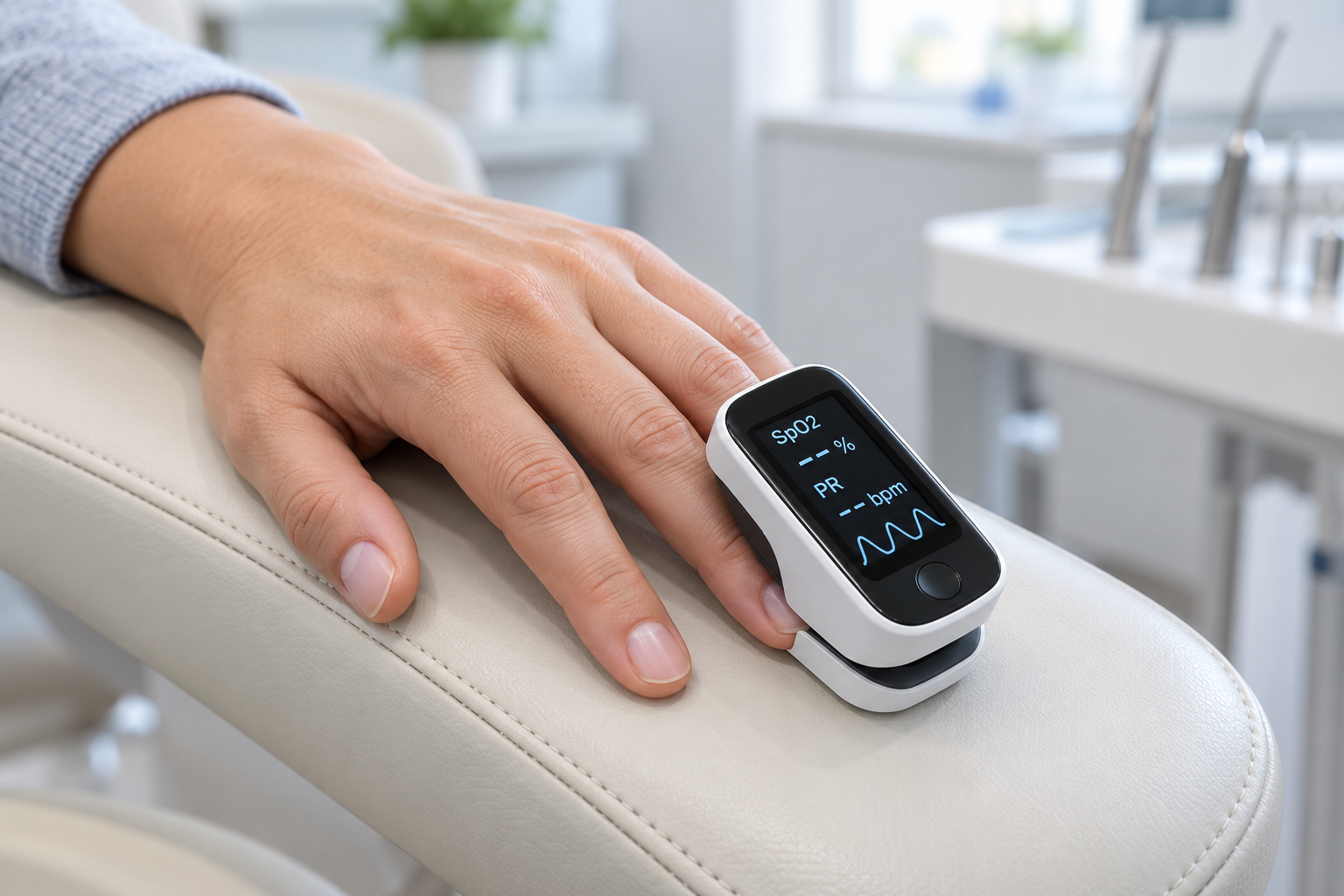
Oxygen saturation and pulse
SpO₂ Oxygen saturationPulse Pulse
Infusion rate and delivered volume
Flow rate Infusion rateVolume Delivered volume
Breathing and responses are observed separately.
Medication, rate and dose are chosen for the individual patient.
Sedation response and recovery vary; risks include respiratory depression and low blood oxygen levels.
Costs and visits are based on your treatment plan.
After examination, we explain what is included and what is separate.
More about treatment planning, retreatment, costs and precautions
Examples of Dr. Lee's starting designs for both arches
Planning implant number and the structure
of the final teeth together.
Even when many teeth are missing, we first assess the remaining teeth and jawbone. We plan the implant support positions and final restoration together, then explain why the proposed design fits the findings.
Implant number, position and restoration design depend on teeth that can be retained, bone quantity and condition, nerve and sinus positions, biting forces and cleaning access beneath the restoration. Bone grafting, temporary and final restoration timing, visits and total duration are explained individually after diagnosis.
One design is not suitable for everyone. We do not promise same-day final teeth or immediate chewing for all patients. The actual full-arch record below is an individual case and does not mean every patient receives the same structure.
When an implant is uncomfortable, we first assess whether it can be retained.
Inflammation or discomfort does not automatically require removal. We assess gums, bone, stability and whether the restoration can be maintained, then explain options and reasons for maintenance, removal, bone grafting or revision surgery.
We observe oxygen saturation and breathing during sedation.
We review health, medications, allergies and treatment scope to assess sedation suitability. Oxygen support is prepared, oxygen saturation and breathing are observed, and a syringe pump controls the medication infusion rate. Afterward, we check recovery and give instructions for leaving with an accompanying adult.
Sedation has individual variations and risks including respiratory depression and low oxygen levels. Confirm fasting, medication and driving instructions with the clinic before visiting.
Sedation preparation & recovery guide →We explain included and potentially additional items separately.
Your individual estimate explains what is included or separate for examinations, implants and abutments, temporary and final restorations, bone grafting or additional care, sedation and maintenance. If planning a short visit, tell us your arrival, departure or available appointment dates first. Treatment stages and follow-up visits are determined after examination.
Online inquiries and booking requests require clinic confirmation before the visit is finalized. Direct Korean and English consultation is available. English · Русский · Tiếng Việt · 中文
Actual published treatment record · case 08
Full-arch treatment.
Start with the photographs.
Records of the same patient, from before treatment to the final restorations.
Click to enlarge. On a mobile screen, swipe horizontally.
Where should treatment begin?
Intraoral photographs and panoramic X-rays help us assess remaining teeth and jawbone together.
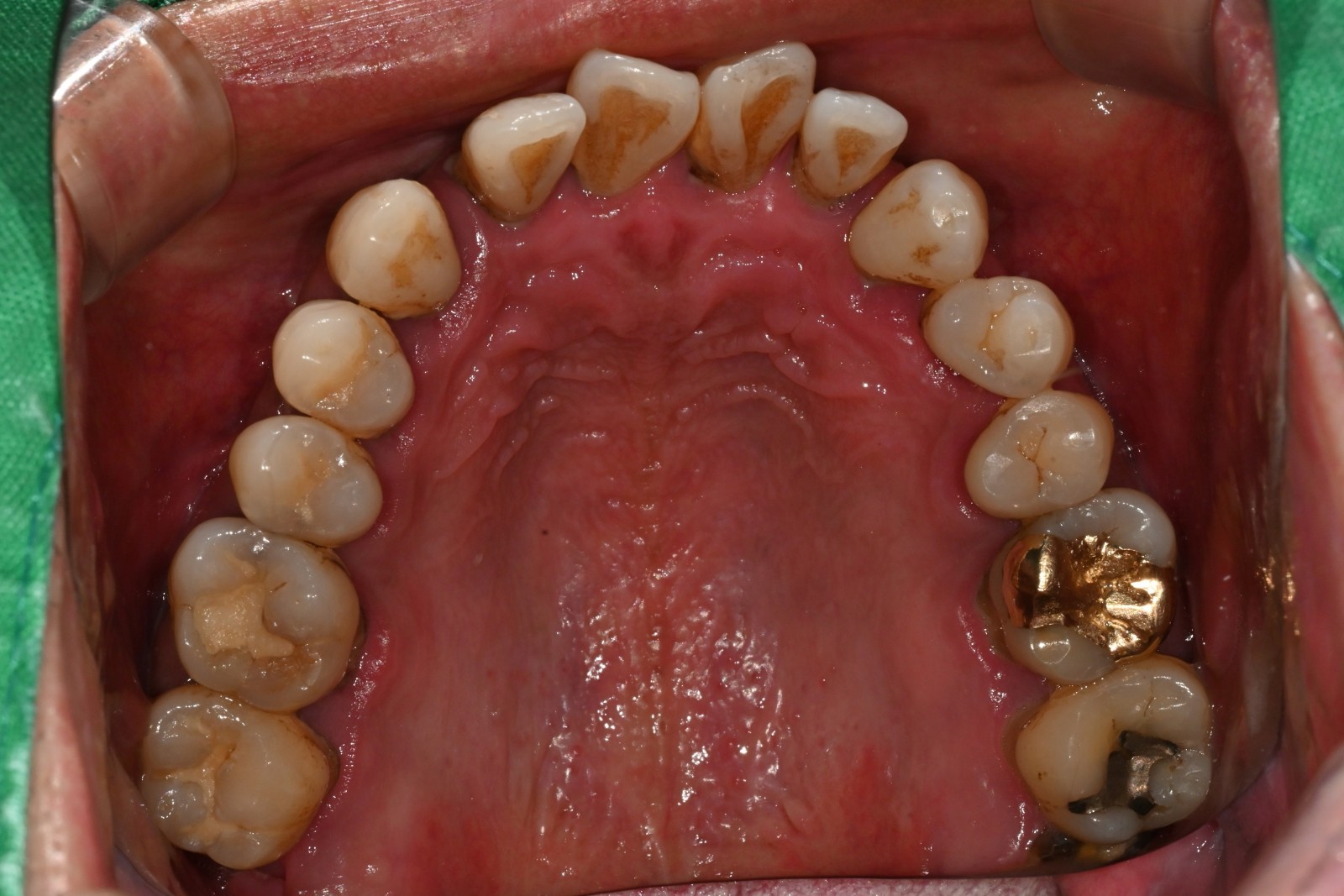
Before treatment · Upper teeth · 2025.09.02
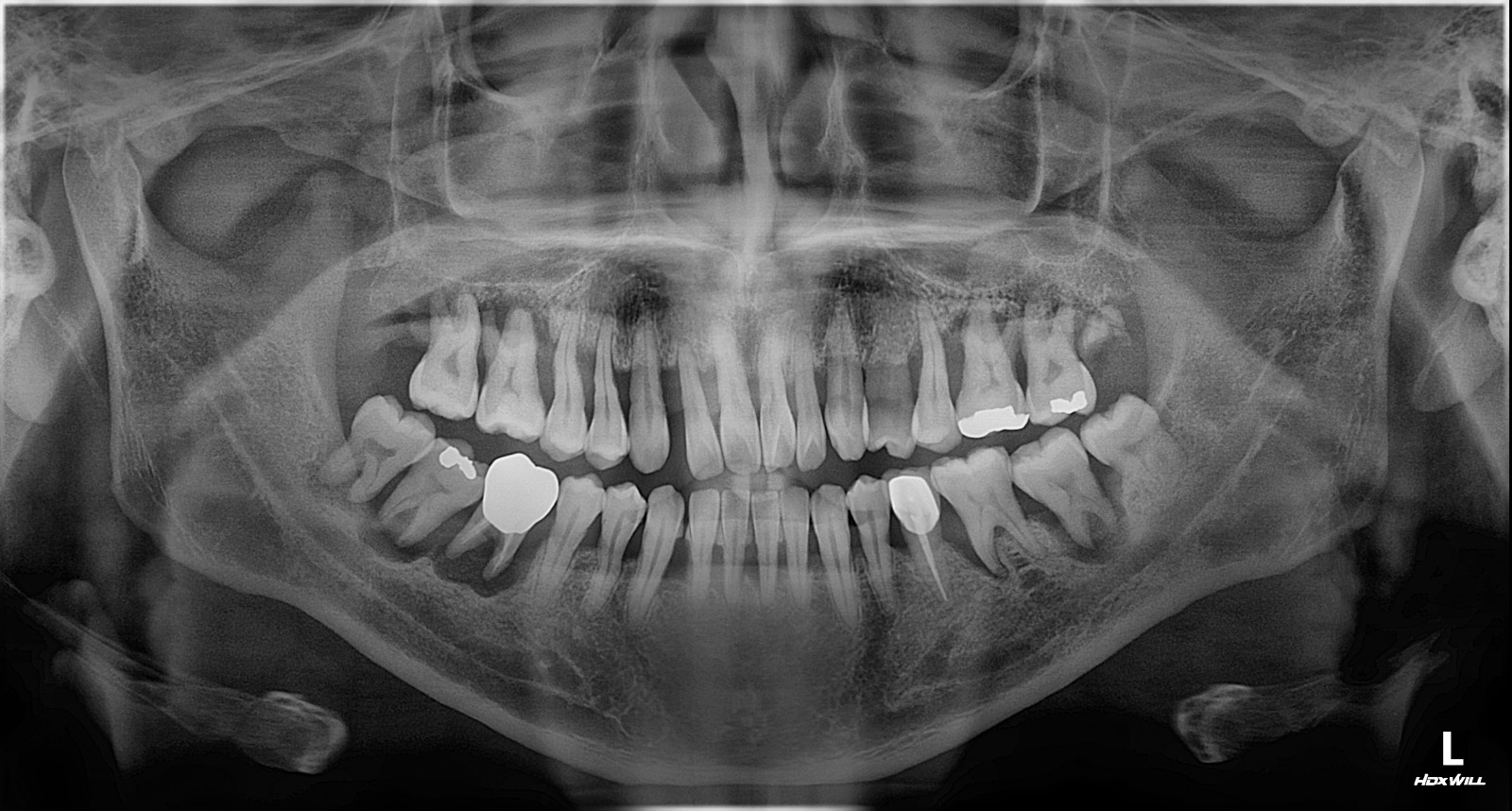
Panoramic X-ray before treatment · 2025.09.02
After the implants, which teeth will we make?
See the digital design and the condition before restorations are connected.
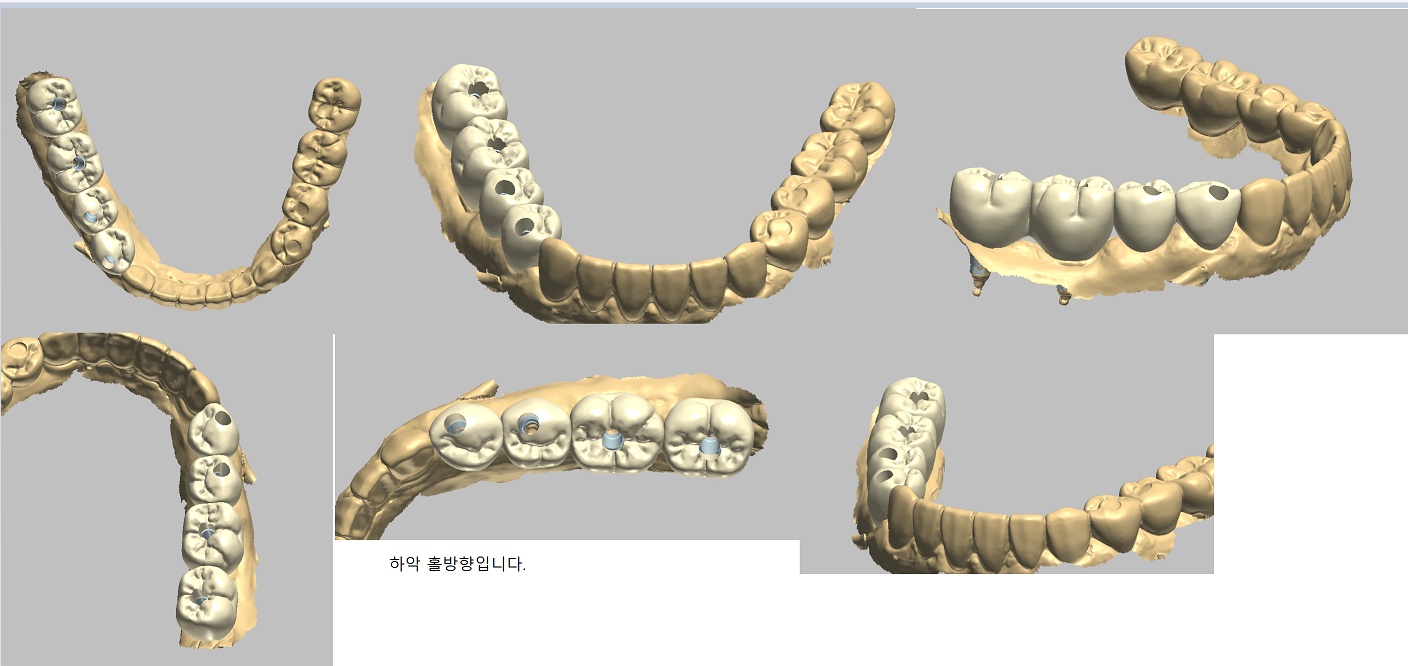
Digital restoration design · Lower teeth · 2026.08.09
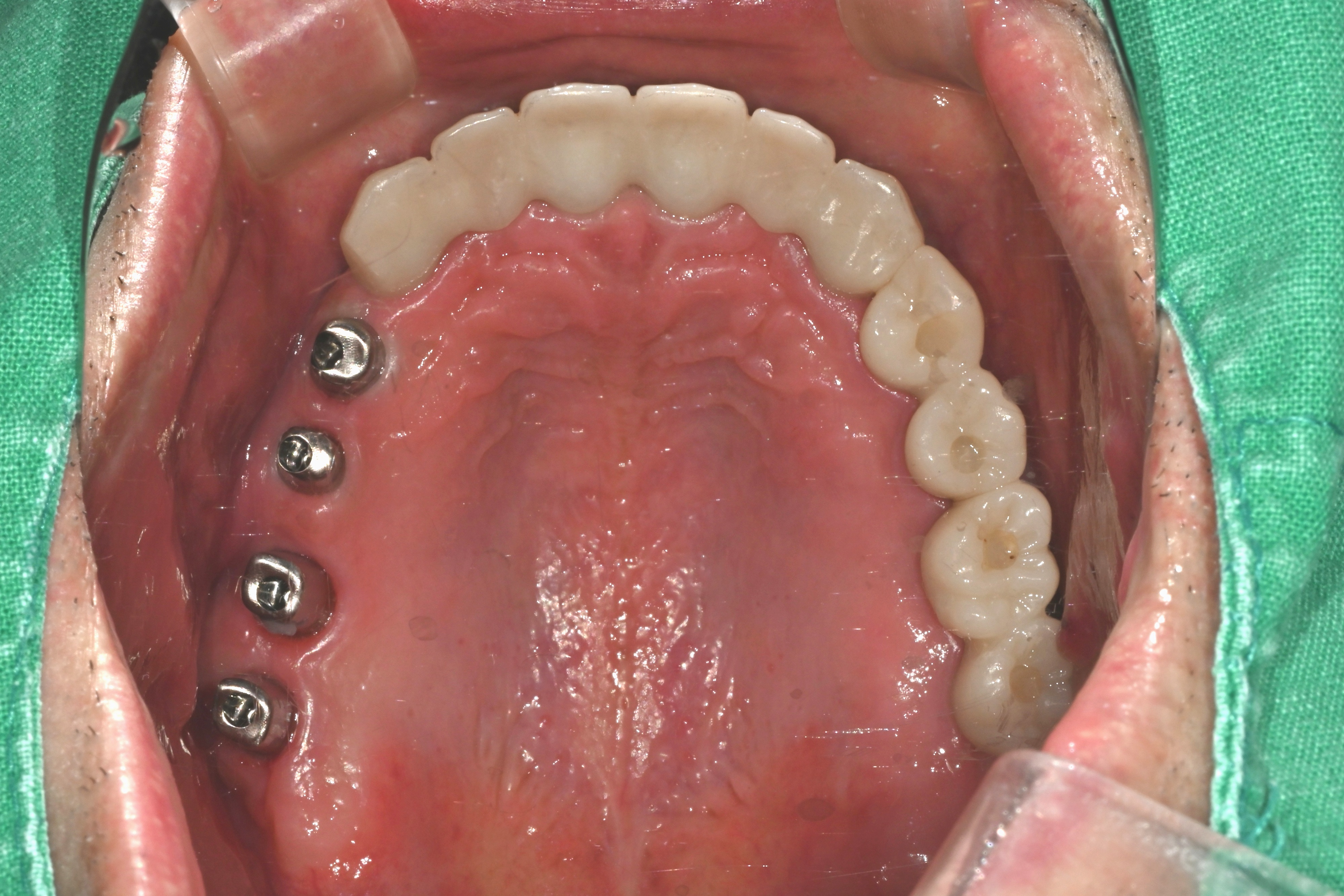
Before final restoration placement · Upper teeth · 2026.08.11
How will the completed teeth meet?
See both side views and the upper and lower biting surfaces together.

Final restorations · Left-side view · 2026.08.11

Final restorations · Right-side view · 2026.08.11
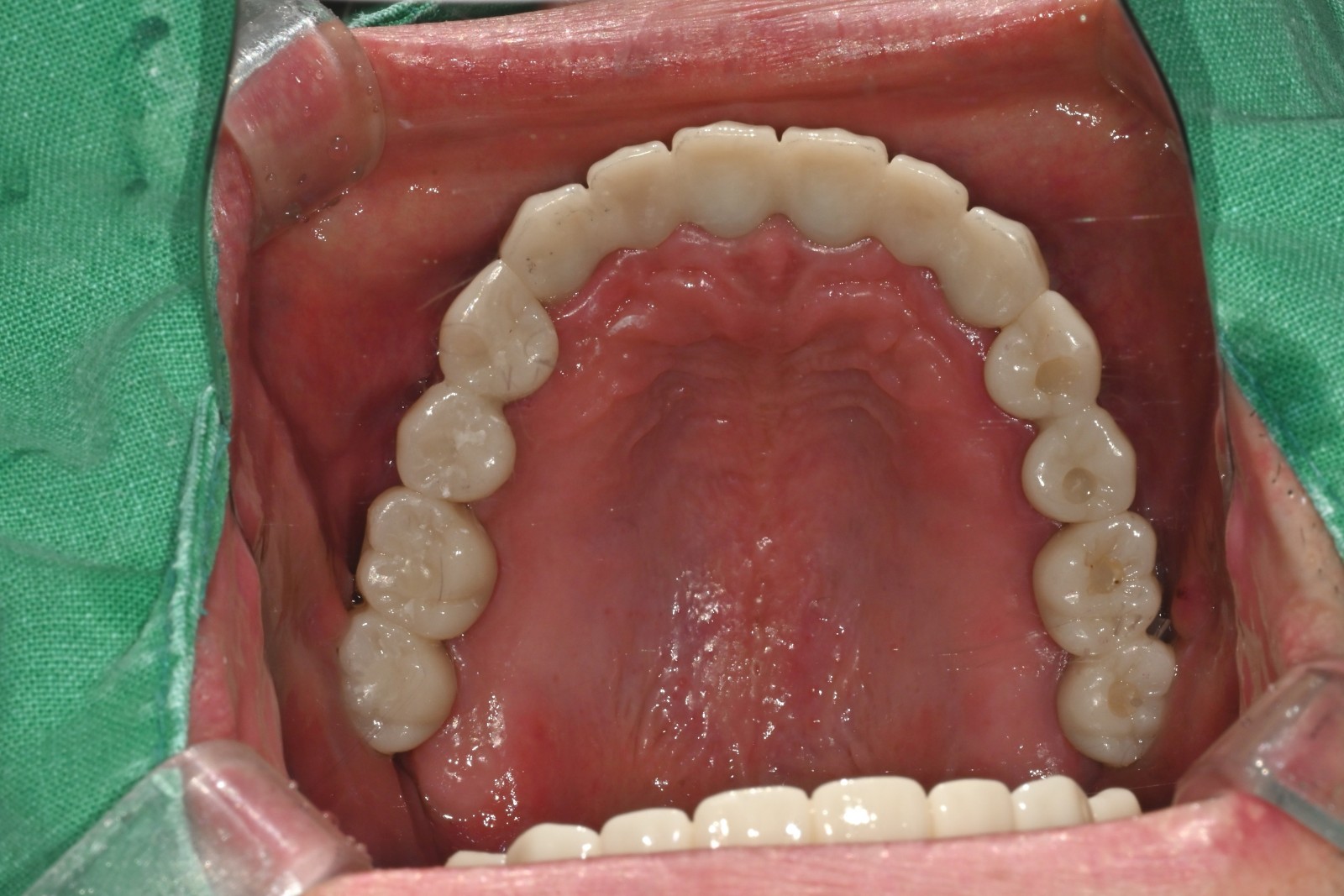
Final restorations · Upper teeth · 2026.08.11
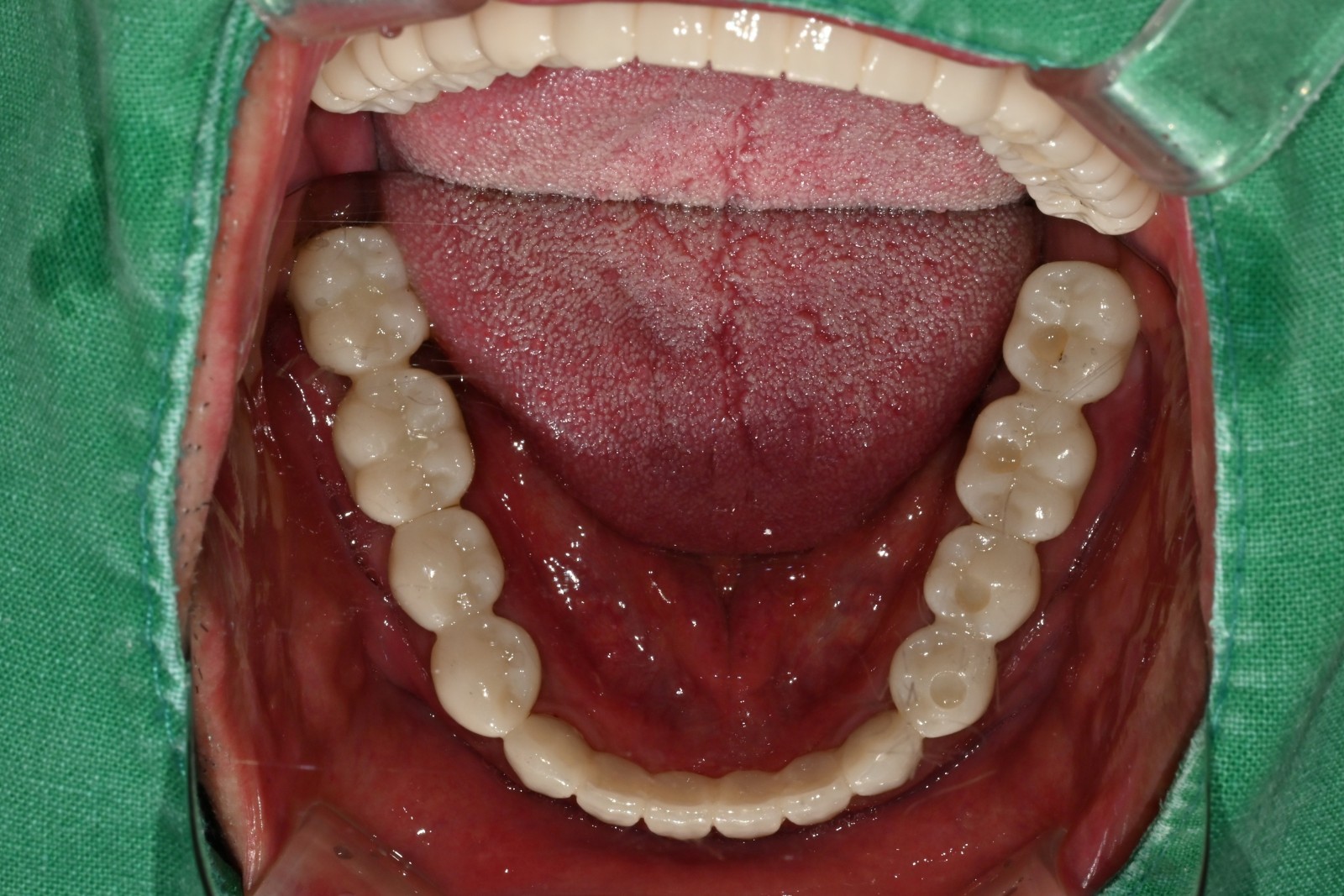
Final restorations · Lower teeth · 2026.08.11
Before treatment 2025.09.02 · final restorations 2026.08.11. This is an actual individual treatment record and does not guarantee identical outcomes, methods or duration. Treatment scope and results depend on teeth, gums and bone.
Implant treatment, shown in actual photographs
Explore each case, including recent front, side and occlusal views and earlier treatment records.
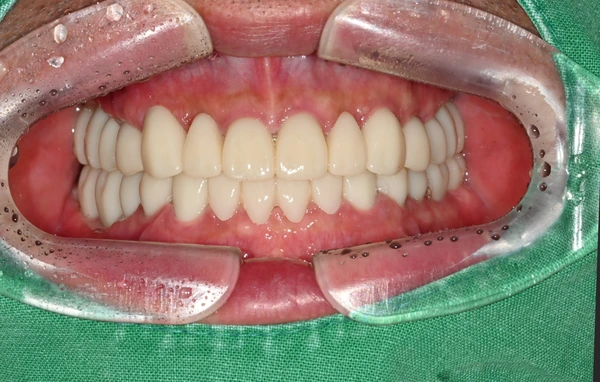
Full-arch implants: the final front view and bite
Actual records from the initial condition to the final upper and lower restorations.
View photographs and treatment stages →
Bilateral sinus grafting and implant restoration
Compare the graft regions on panoramic radiographs and CT images before and after treatment.
View photographs and treatment stages →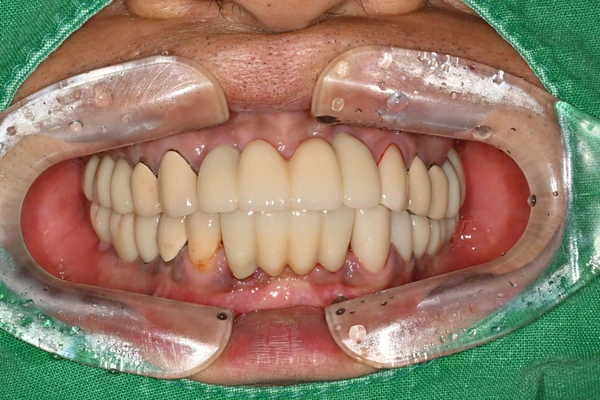
Front and back-tooth restoration: five recent views
View the front, both sides, and upper and lower occlusal surfaces after restoration.
View photographs and treatment stages →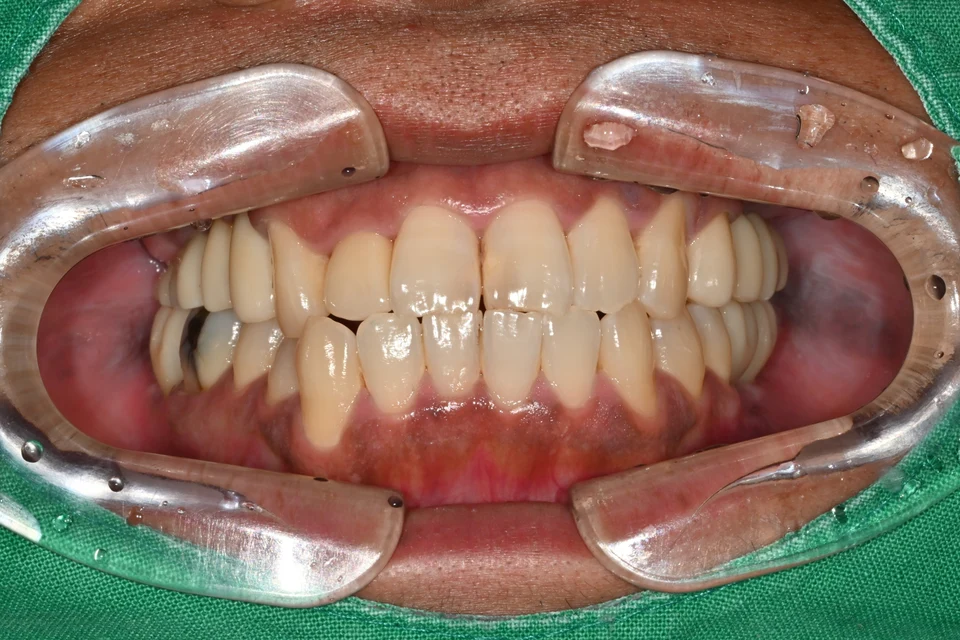
Restoring support on both sides with dental implants
Decay and missing back teeth had led to loss of posterior occlusal support. Implant-supported restorations were used to restore contact between the upper and lower back teeth on both sides.
View photographs and treatment stages →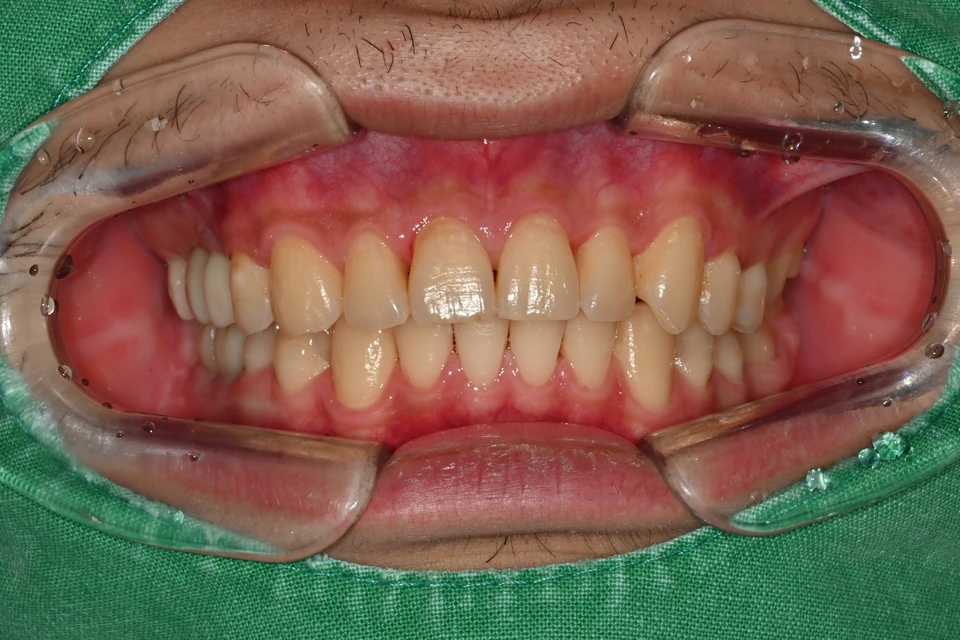
Restoring right back teeth with implants and sinus grafting
After tooth loss, opposing teeth had overerupted and neighbouring teeth had tilted mesially, altering the bite. Treatment included extraction, upper-right bone grafting through a lateral approach, and staged implant-supported restoration of the upper and lower right posterior teeth.
View photographs and treatment stages →Separate patient treatment records
Actual cases by treatment area
I have questions about posterior implants
Final restorations extending to both posterior regions
Matching views compare the first visit with the completed upper and lower restorations.
Bilateral sinus lifts and extensive bone grafting before the final restorations
This separate case involved lateral-window sinus augmentation on both sides, followed by implant restorations. Open the record below to see the grafted areas and treatment stages.
Restoring chewing teeth on both sides.
Compare both upper and lower posterior regions before treatment and after final restorations. See the completed teeth in frontal and upper occlusal views.
Treatment of the front teeth and both posterior regions
This separate case involved staged treatment of the front teeth and posterior teeth on both sides. Open the record below for the treatment stages and frontal and occlusal follow-up views.
These photographs represent different actual cases. Compare before-and-after images from the same patient.
See more actual implant cases →Longevity depends on gums, bone, habits, maintenance and clinical progress. Bleeding, infection, nerve injury and implant failure can occur, and regular maintenance is necessary.
How are surgical and restorative standards and fees determined?
Our approach to implant care
Teeth, bone and the final restoration.
First, a plan suited to you.
Implant treatment extends from surgery and final teeth to maintenance after healing. Detailed assessment guides the necessary surgery, materials, restoration form and bite together.
From surgical position to restoration
CT assesses bone, nerves and sinuses, while we plan the final tooth positions and biting relationships together.
A choice suited to your condition
We discuss implant and restoration materials according to gum and bone condition and treatment scope. Intraoral scans help check shape and bite.
With you after healing
We address discomfort and questions, explaining postoperative recovery, gums around restorations and regular checkups.
Treatment scope, materials, restorations, included items and fees are explained individually after diagnosis.
Let's discuss a plan for your teeth.
Tell us which area is uncomfortable and the care you would like. The clinic reviews your inquiry during opening hours and guides the consultation.
More about assessment, restorations & recovery care
Assessment · restorations · maintenance
For teeth that serve you over time,
we consider the whole plan from the start.
Before surgery · planning for the final teeth
We assess whether remaining teeth can be preserved and examine bone, nerves and surrounding structures on CT. Implant position and restorative space are planned together.
Completed restorations · checking shape and bite
Primescan 2 and TRIOS 5 record the teeth and gums for restoration design. We check final tooth shape and chewing relationships.
See intraoral scans & CAD records →After healing · checkups and hygiene
We assess postoperative pain, swelling and gums around restorations, and explain checkups and individual maintenance. If anxiety is considerable, we discuss conscious sedation suited to your health.
Explore recovery care → Conscious sedation →Longevity depends on gums, bone, habits, maintenance and clinical progress. Bleeding, infection, nerve injury and implant failure can occur, and regular maintenance is necessary.
Questions before consultation
Common questions before a consultation
How do you explain implant fees?
Planning depends on the number of teeth to be restored, the need for bone grafting or sinus treatment, and implant and restoration materials. After diagnosis, we distinguish included items from additional treatment needs.
What do you assess at the first consultation?
We first assess whether remaining teeth can be preserved, the gums and bone, and the bite. After examination, we explain necessary surgery, materials, final restorations and ongoing maintenance, along with fees for the planned scope.
Does implant inflammation always mean removal and repeat surgery?
Inflammation does not always require removal. We assess gums, bone, implant stability and whether the restoration can be maintained. After diagnosis, we explain whether care can retain the implant or removal, bone grafting or revision should be considered.
Gum care & periodontal regeneration →If several teeth are missing, do I need the same number of implants?
The number of teeth restored and implants are not always the same. Full-arch planning considers teeth that can be retained, bone quantity and shape, implant position and distribution, the final restoration structure and cleaning access. Rather than fixing a number first, we examine your condition and explain a suitable plan.
Actual full-arch record: from surgery to final restorations →Can I chew on the day implants are placed?
Implant placement and the start of chewing with restorations are separate milestones. Timing depends on bone, gums, stability after placement, bone grafting and the restoration plan. Even with temporary teeth, permitted foods and use may differ; follow your individual instructions.
How are treatment duration and sedation decided?
Duration depends on bone and gum condition, grafting and healing progress. Conscious sedation is discussed after reviewing medications and health.
Does an online inquiry confirm an appointment?
You can submit a private inquiry without registration. The clinic reviews inquiries in order during opening hours and contacts you using the details provided. Visits are finalized after clinic confirmation. We are closed every Wednesday.
How does consultation proceed from inquiry to visit?
Tell us your current concern.
In your private inquiry, describe the uncomfortable area, what you would like to discuss and a convenient contact time. No registration is required.
The clinic reviews your inquiry and contacts you.
We review inquiries in order during opening hours and contact you using the details provided. The appointment is finalized after clinic confirmation.
After diagnosis, we explain a plan suited to your teeth.
We assess teeth, gums and bone and explain necessary surgery, materials, final restorations, maintenance after healing and fees together.
Treatment guide references
References: ITI full-arch prosthetic planning · ITI loading protocols · EFP peri-implant disease guideline. This is general information; actual treatment is determined after diagnosis.
Posselt Dental Clinic, near Onyangoncheon Station
Planning for teeth you can use over time.
Talk with us comfortably.
4F, 1538 Oncheon-daero, Asan-si, Chungcheongnam-do
Approximately 400 m from Onyangoncheon Station Exit 1 · underground parking in the CGV building
Mon/Tue/Thu/Fri 09:00–18:00 / Sat/Sun/public holidays 10:00–18:00
Closed every Wednesday, and on Seollal (Lunar New Year's Day) and Chuseok Day.
Lunch: weekdays 12:30–13:30 / Sat/Sun/public holidays 13:00–13:30